 Start here
Start Here
How the course works, what it covers and how to use the numbers in it.
Part of Protected Cultivation PathwayThe Complete Plant Science Library
How a greenhouse works as a physical and biological system: energy and humidity, light and carbon dioxide, ventilation and heating, water and nutrition, crop steering, pest and disease biology, and the sensors and control loops that tie it together. Science first, with worked calculations.
8 modules. Read each lesson, work the examples, then take the module quiz.
Start hereHow the course works, what it covers and how to use the numbers in it.
 Module 1
Where sunlight energy goes, what the cover does, and how to read humidity properly (vapour pressure deficit and dew point).
 Module 2
What drives photosynthesis and development: light quantity and quality, the daily light integral, temperature responses and CO2.
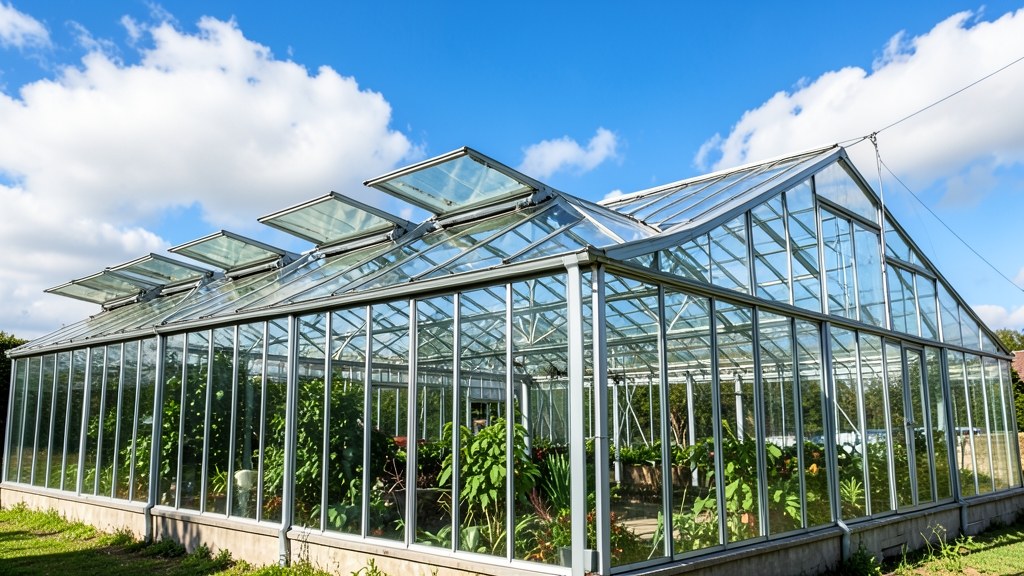 Module 3
How to hold a target climate against sun and weather: how much air must move, how evaporation and shading cool, and how heat is saved and delivered.
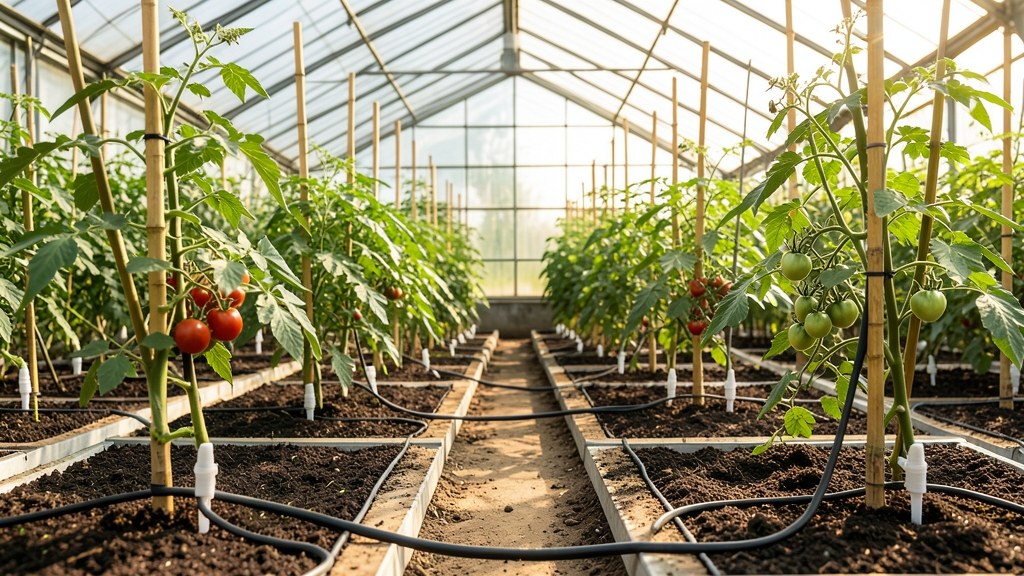 Module 4
How water moves from root zone to air, how substrates hold water and air, how mineral nutrients behave, and how irrigation is scheduled and checked with EC and pH.
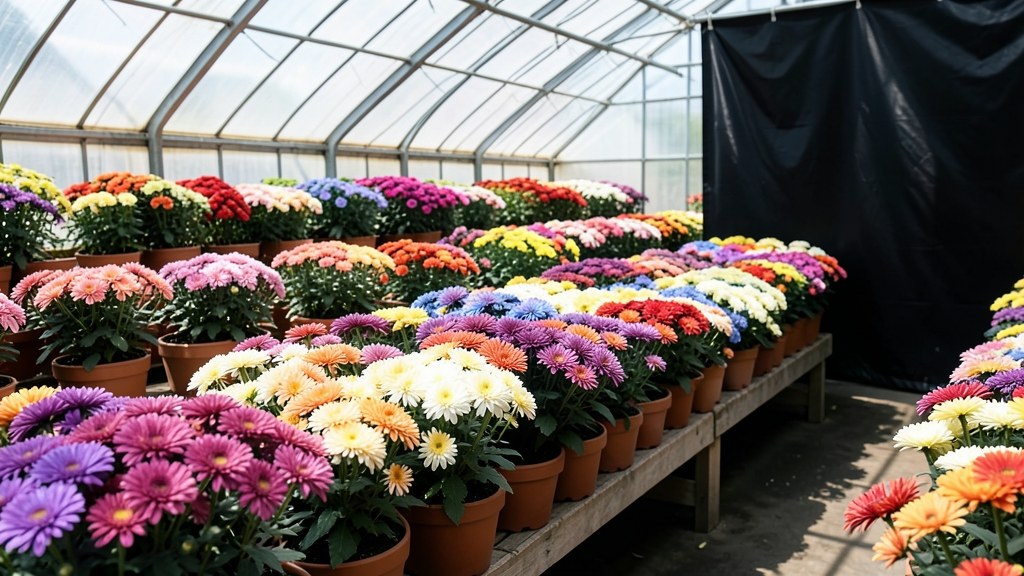 Module 5
How plants sense day length and light, how form is controlled without chemicals, and how assimilate supply and demand balance in a fruiting crop.
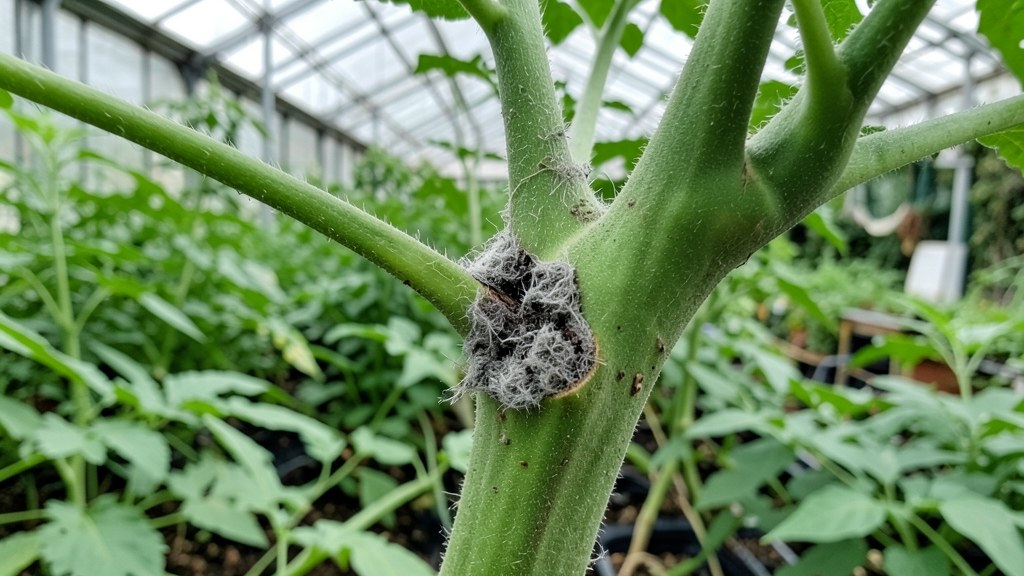 Module 6
Why greenhouse climate favours some diseases and pests, and how integrated pest management uses biology, monitoring and hygiene before any chemical.
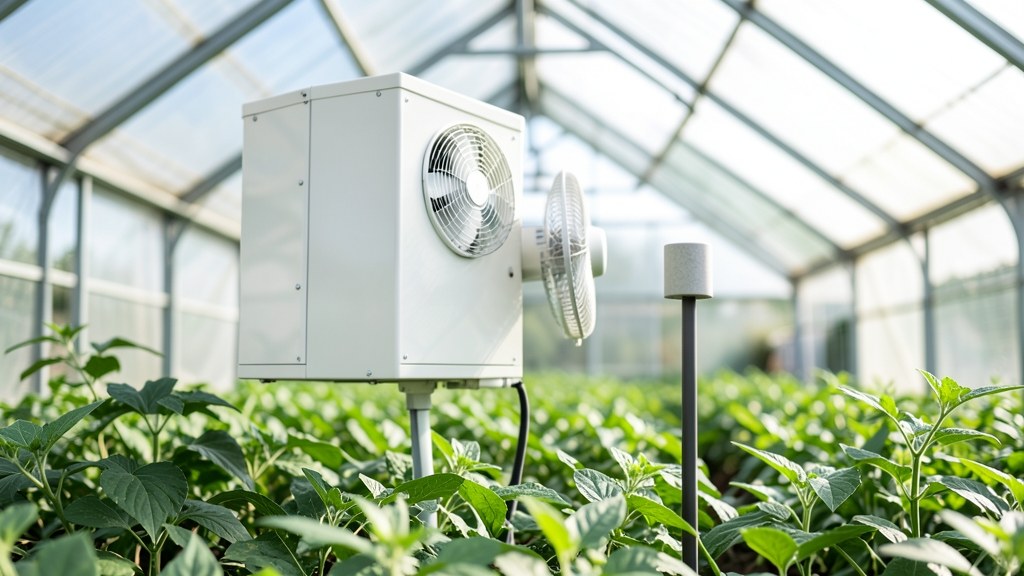 Module 7
How the numbers are measured, how a climate controller turns them into actions, and how to judge whether the data can be trusted.
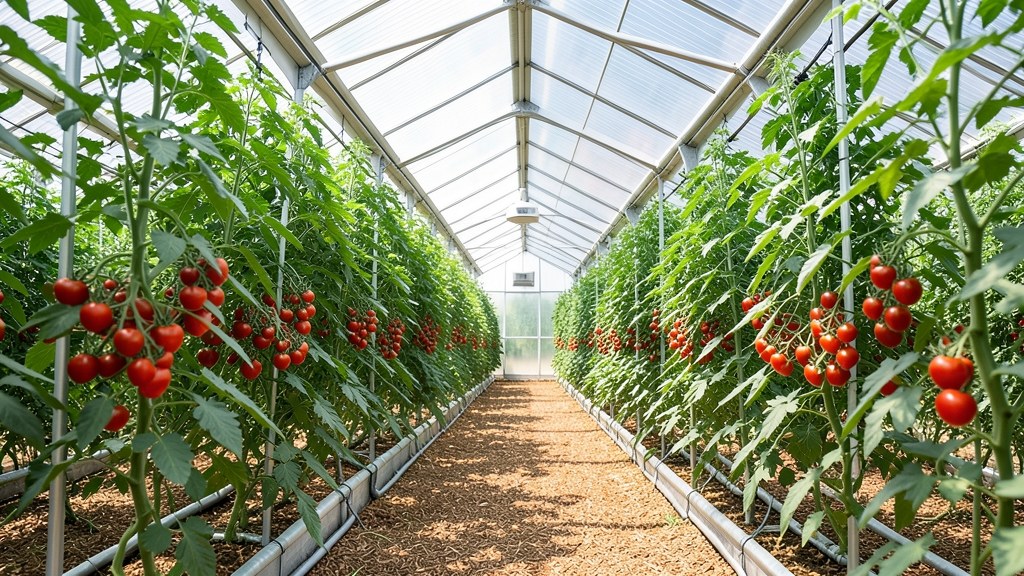 Module 8
A summary of the whole course and a comprehensive final quiz.
A diagram and a generated illustration in every lesson
Worked examples: VPD, dew point, DLI, heat loss, ventilation rate, evaporative cooling and irrigation volume
Quizzes with an explanation for every answer
Certificate of completion with a public verification page
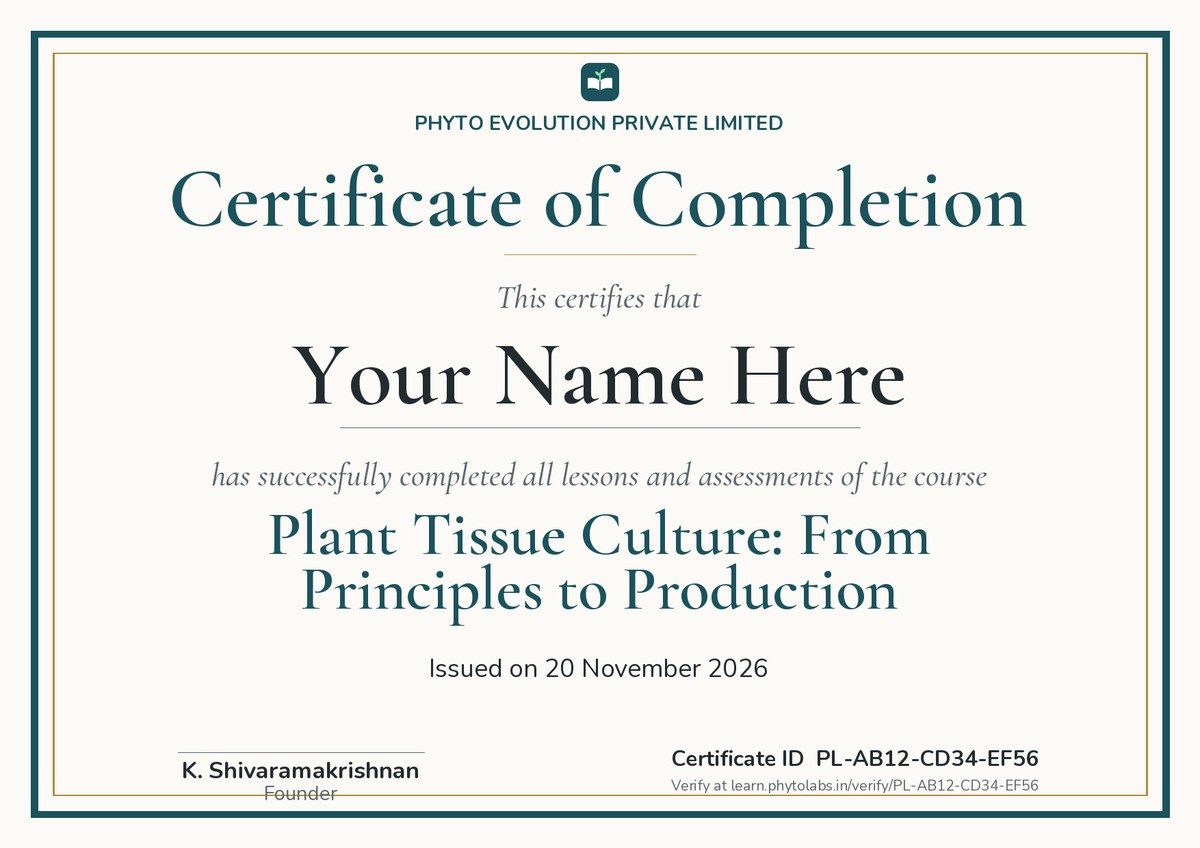
Complete every lesson and pass every quiz in Greenhouse Crop Production: The Science of Controlled Environments. Your certificate has a unique ID and a public verification page.
Start learning freeNo. It teaches the science that applies to every protected crop: energy, humidity, light, water, nutrition, development and pests. Crop examples (tomato, lettuce, chrysanthemum, roses, cucumber) are used to illustrate principles, not as growing recipes.
No. School-level physics, chemistry and biology are enough, and every calculation is worked step by step.
No. It gives the principles behind nutrition and pest management and the ranges that appear in the research literature. Recipes depend on your water, substrate, cultivar and market, so you validate them locally.
Yes. Lessons, quizzes, tools and the certificate are free. A free account saves your progress.
Finish every lesson and pass every module quiz (70% or more, unlimited retries).
Free, self-paced, with quizzes, calculators and a certificate.