 Start here
PDD-301IntermediateFree
Plant Disease Diagnostics: From Symptoms to Pathogen
Part of Plant Health and BiosecurityThe Complete Plant Science Library
How to work out what is wrong with a plant: the science of disease, reading symptoms and patterns, laboratory methods from microscopy to PCR, interpreting test results with the mathematics of sensitivity and prevalence, and the epidemiology behind management.
- 6 modules
- 22 lessons
- 6 quizzes · 65 questions
- about 1.5 hours of study
22 lessons
FreeFree. Create an account to open the lessons, save progress and earn the certificate.
- Free lessons
free account to read - Self-paced
about 1.5 hours - 22 diagrams
drawn for this course - 65 quiz questions
explained answers - Certificate
verifiable online
6modules
22lessons
22diagrams
65quiz questions
Outcomes
What you will be able to do
- 1Explain Koch's postulates and where they fail, and distinguish biotic from abiotic disorders
- 2Describe the main pathogen groups and the symptoms and signs they cause
- 3Use pattern analysis and diagnostic keys to narrow a diagnosis
- 4Explain how microscopy, culture, serology and molecular methods detect pathogens, and what each cannot do
- 5Calculate predictive values from sensitivity, specificity and prevalence
- 6Describe a sound sampling, documentation and reporting routine
- 7Use disease progress curves and AUDPC to describe epidemics
- 8Explain the principles of integrated disease management and resistance without relying on specific products
Audience
This course is built for you if…
1
Greenhouse, nursery and tissue culture staff who must tell disease from other problems
2
Students of plant pathology, horticulture and agriculture
3
Plant clinic and laboratory technicians who run or interpret diagnostic tests
4
Researchers who need a sound approach to confirming a pathogen
Curriculum
Your learning journey
6 modules. Read each lesson, work the examples, then take the module quiz.
Start here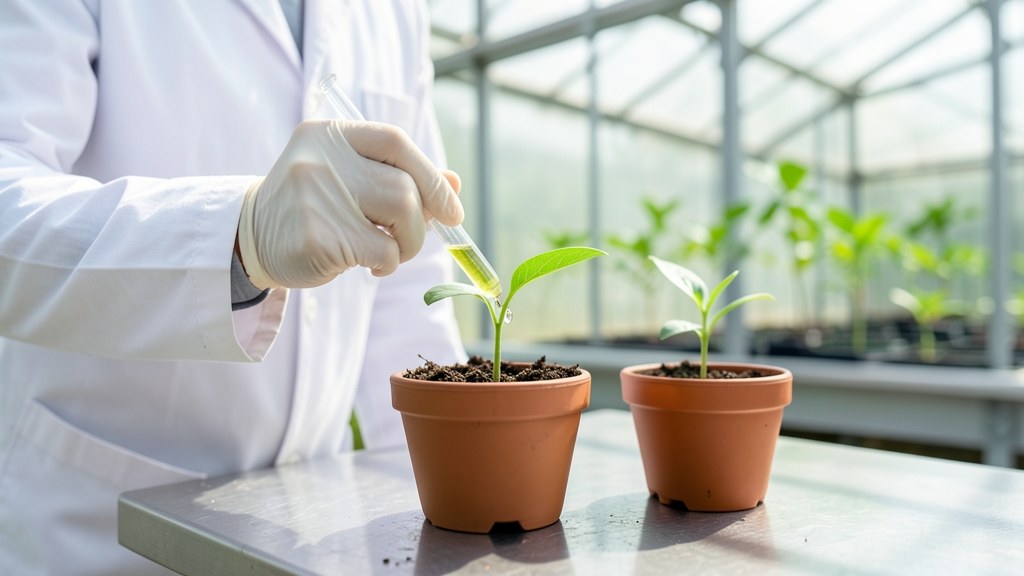 Module 1
The Science of Plant Disease
What disease is, Koch's postulates and their limits, the pathogen groups and how to separate infectious from non-infectious causes.
 Module 2
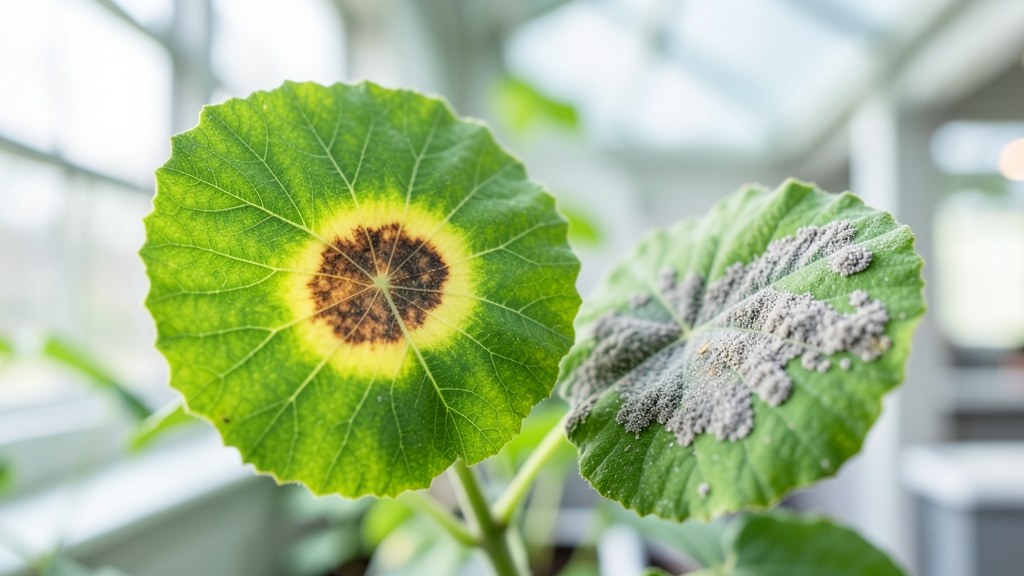
Symptoms, Signs and Patterns
A vocabulary for describing disease, reading patterns, reasoning with diagnostic keys and probabilities, and taking a sample properly.
 Module 3
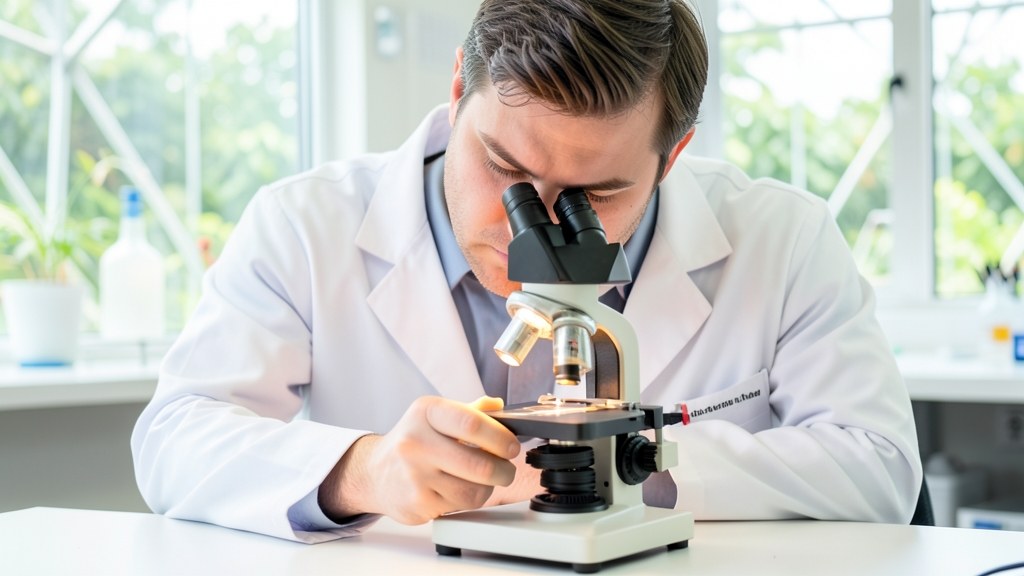
Laboratory Diagnosis
How microscopy, isolation and culture, serology and molecular methods detect pathogens, and what each can and cannot tell you.
 Module 4
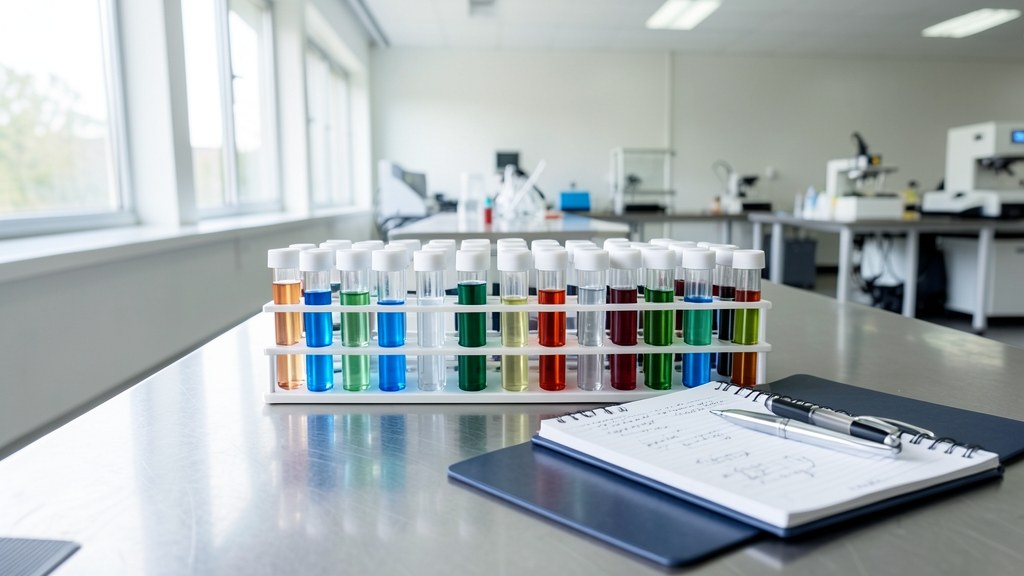
Interpreting the Evidence
What test results really mean: sensitivity, specificity and prevalence; confirming a cause; mixed infections; and reporting with honest certainty.
 Module 5
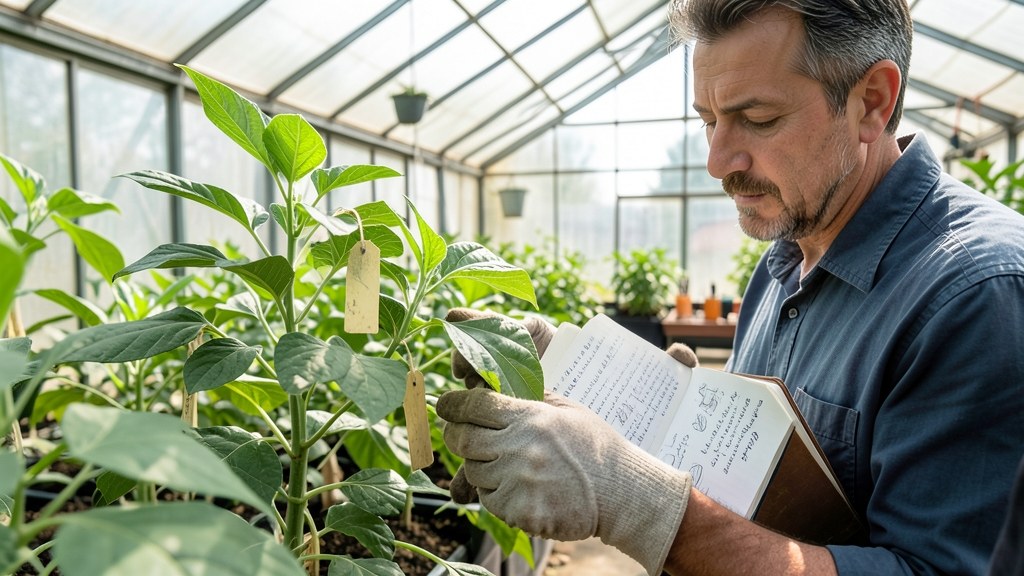
Epidemics and Management Principles
How disease increases over time, how epidemics are measured, and the principles behind integrated management, resistance and biosecurity.
 Module 6
Final Assessment
A summary of the course and a comprehensive final quiz.
- 6.1 Course summary and next steps
- ?Final Assessment: Plant Disease Diagnostics15 questions · pass 70%
Included
What you get, free
01
A diagram and a generated illustration in every lesson
02
Worked examples: logistic epidemic growth, AUDPC, predictive values, Bayesian updating and qPCR efficiency
03
Quizzes with an explanation for every answer
04
Certificate of completion with a public verification page
Certificate
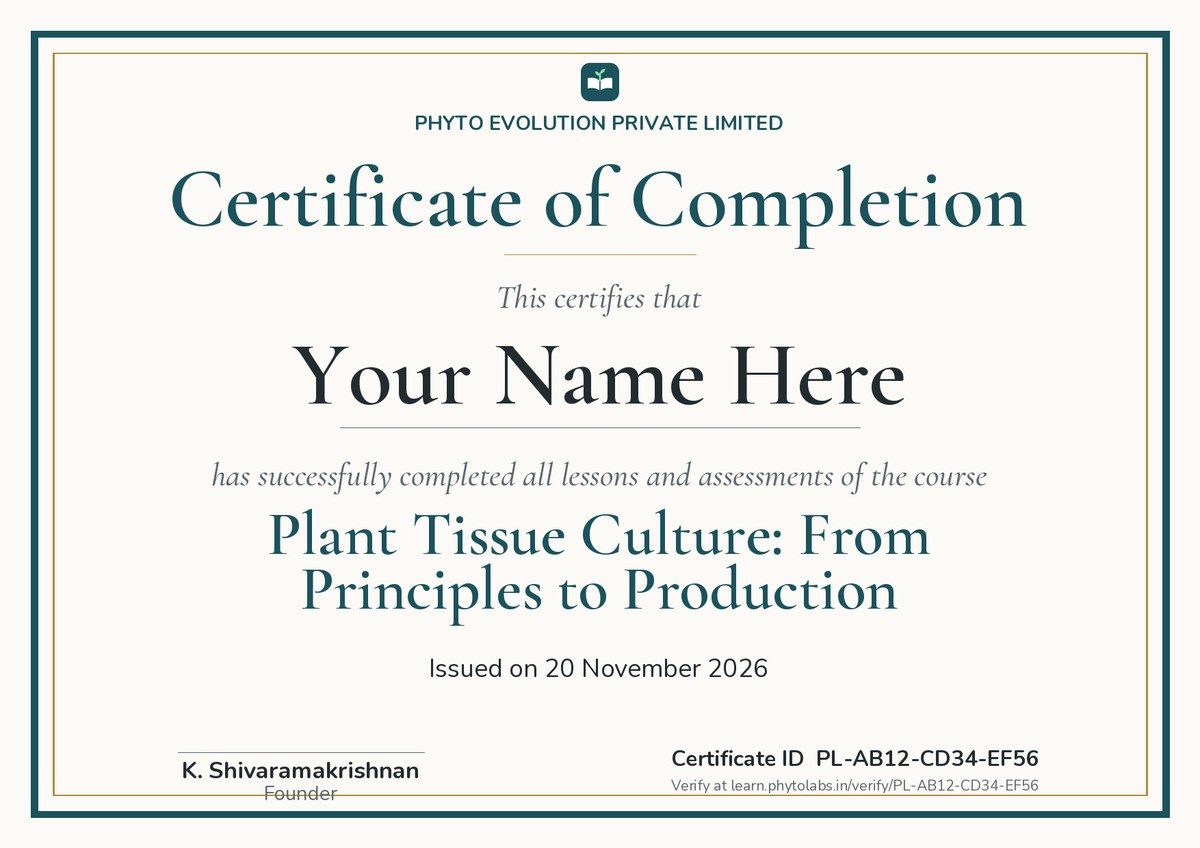
Earn a certificate anyone can verify
Complete every lesson and pass every quiz in Plant Disease Diagnostics: From Symptoms to Pathogen. Your certificate has a unique ID and a public verification page.
Start learning free FAQ
Frequently asked questions
Is this a course on which fungicide to use?
No. It teaches diagnosis and the science of epidemics and management. It does not recommend products, rates or spray programmes, which depend on local registration and must come from current local advice.
Do I need a plant pathology background?
No. Terms are explained and the mathematics is worked through step by step.
Will I be able to identify every disease?
No course can do that. It teaches a method: observe, narrow, test, confirm, and report with the right level of certainty.
Is it free?
Yes. Lessons, quizzes and the certificate are free; a free account opens them and saves progress.
How do I get the certificate?
Finish every lesson and pass every module quiz (70% or more, unlimited retries).
Start PDD-301 today
Free, self-paced, with quizzes, calculators and a certificate.